

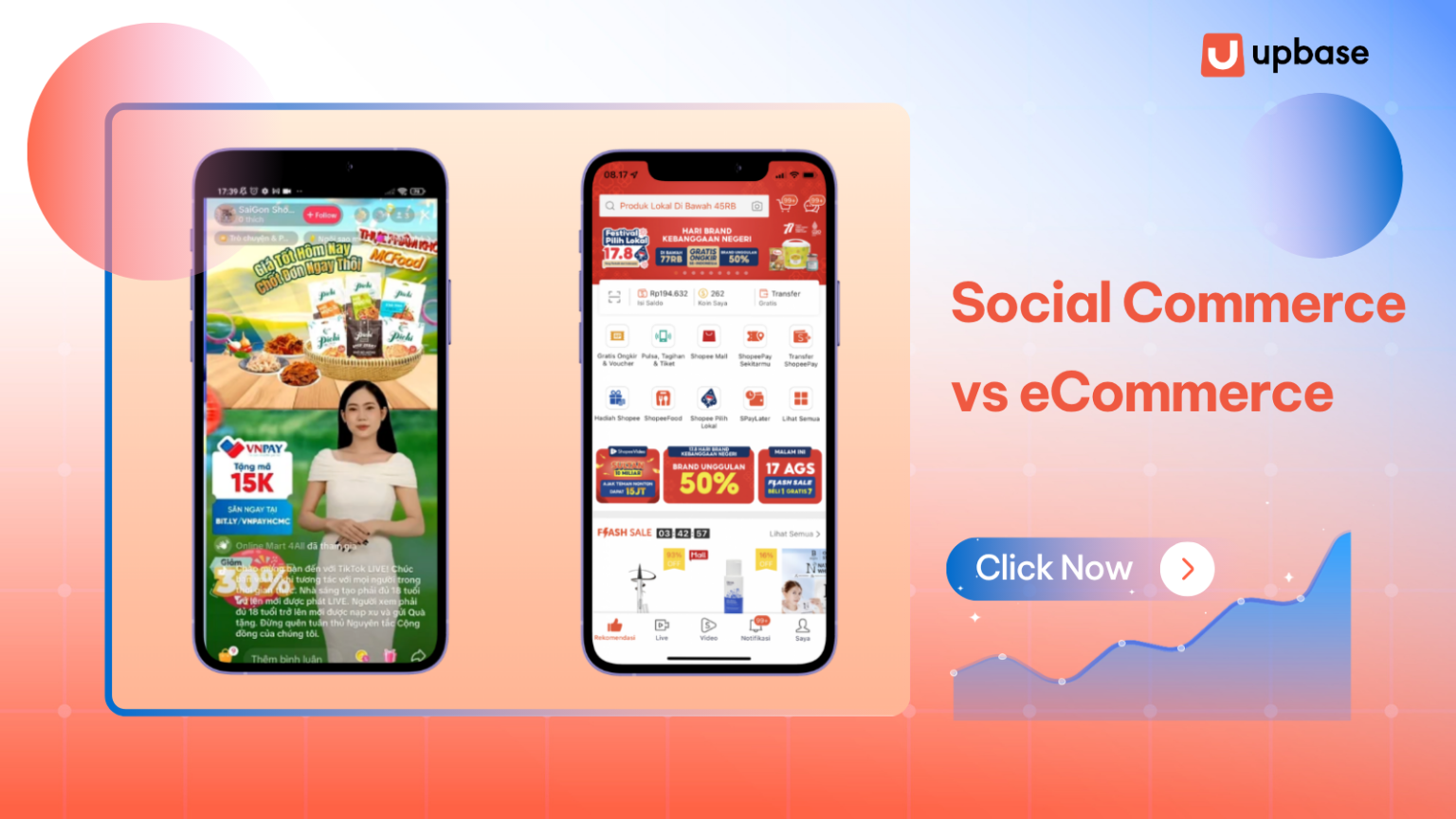
Introduction about social-commerce-vs-traditional-e-commerce
By 2026, social commerce is expected to make up more than 20% of global online retail sales, approaching a value of nearly $1 trillion. The way people shop online is shifting from actively searching for products to a “discovery-driven” model, where algorithms surface products directly to consumers based on their interests and behavior.
1. The Core Differences in 2026
| Feature | Social Commerce (TikTok, IG) | Traditional E-commerce (Web/Amazon) |
| User Mindset | Passive/Entertainment (Browsing) | Active/High-Intent (Searching) |
| Discovery | Algorithmic “Push” (Feed-based) | Search-based “Pull” (Keyword-based) |
| Friction | Ultra-Low: 1-click in-app checkout | Moderate: Multiple clicks/External site |
| Trust Factor | Relies on Creators & UGC | Relies on Reviews & Brand History |
| Best For | Impulse buys, Trends, Beauty, Tech Gadgets | Repeat buys, Expensive items, Groceries |
2. Why Social Commerce is Winning the “Discovery” Phase
In 2026, the “Feed” has effectively replaced the traditional “Storefront” for younger audiences.
The Creator-Affiliate Hybrid model has become the norm, where successful brands no longer rely solely on ads but collaborate with micro-influencers who function as a decentralized sales network.
Livestream Shopping has experienced significant growth, with interactive video becoming mainstream. Consumers now expect real-time engagement, allowing them to ask questions and watch live product demonstrations before making a purchase.
Impulse Triggering has also become a key strategy on social platforms, where short-form videos are designed to generate instant emotional reactions. Products that cannot be clearly explained or made visually satisfying within 15 seconds tend to struggle in the social commerce environment.
3. Why Traditional E-commerce is the “Logistics Brain”
While TikTok Shop excels at driving virality, Amazon and Shopify continue to dominate when it comes to stability and high-value purchases.
For “intent-driven” shopping, where users already know exactly what they need (for example, a replacement laptop battery), they typically turn to Amazon rather than TikTok.
In terms of logistics and reliability, Amazon FBA still sets the industry benchmark. By 2026, around 80% of customers are expected to abandon their cart if their preferred delivery speed is not available—a challenge many social commerce sellers continue to face.
From a long-term growth perspective, SEO and websites offer lasting value. Unlike social media posts that often lose traction within 48 hours, a well-optimized SEO article can continue generating traffic and sales for years.
4.The “Hybrid Hack”: The Winning Strategy for 2026
The most successful agencies and brands in 2026 are adopting a hybrid approach, where instead of choosing one platform, they strategically connect multiple channels together.
The Warehouse (Amazon/Shopify) serves as the central hub for core inventory, acting as a stable “source of truth” for operations.
The Lightning Bolt (TikTok Shop) is used for product launches and viral campaigns, helping brands capture attention and drive rapid demand.
The Bridge (Multi-Channel Fulfillment) integrates everything together, with solutions like Amazon MCF enabling TikTok Shop orders to be fulfilled through Amazon’s logistics network. This ensures that social commerce customers still receive the fast and reliable delivery experience they expect.
5. Verdict: Where Should You Invest?
Sell on Social if you have a visually strong product, a small catalog (typically 1–10 items), and you are targeting Gen Z or Millennials. In this model, influencer commissions usually become your primary marketing cost.
Sell on a Traditional Website if you manage a large product catalog, operate in the B2B space, or offer essential but research-heavy products that require detailed comparisons and long-form content before purchase decisions.
The 2026 winning strategy is a combination of both: use social platforms for awareness and discovery, while relying on your website for retention and repeat sales. Capture impulse purchases directly from social feeds, then use SEO and email marketing to bring customers back for their second, third, and ongoing purchases.